Urban Edge: Using Abstract Streetwear Graphic Tee Design
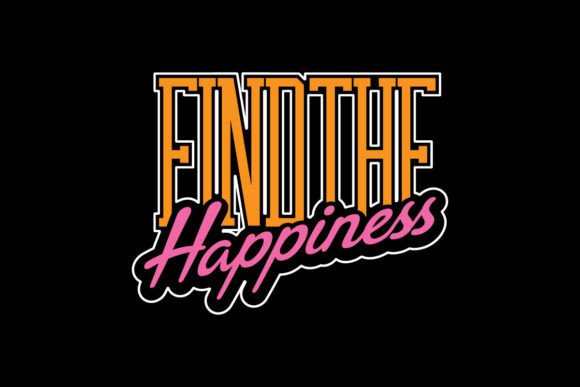
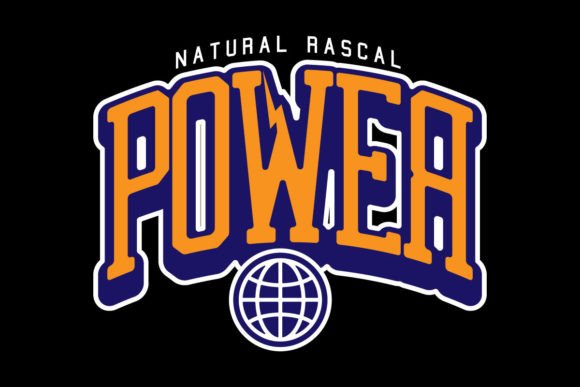
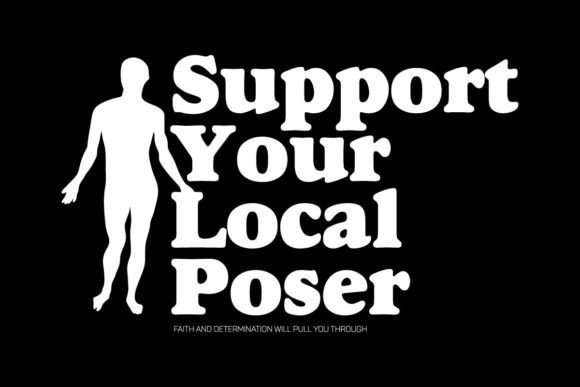
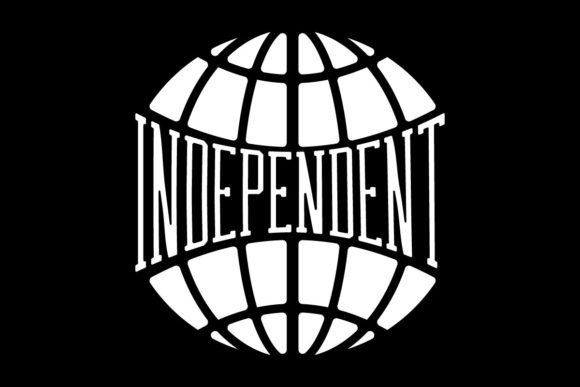
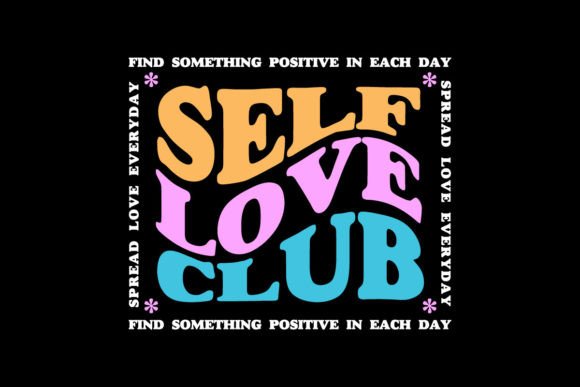
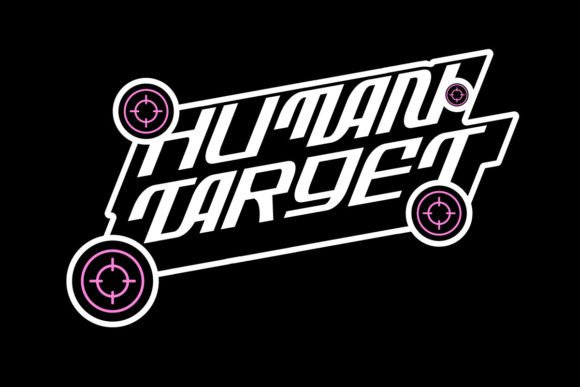
The aesthetic of Abstract Streetwear Graphic Tee Design is rooted in the energy of the city. It isn't just about a single image; it's a collection that captures the raw, unpolished vibe of urban culture. When you look at these designs, you see a blend of bold geometric shapes, distorted typography, and gritty textures. There is a distinct "anti-corporate" feel here. The style leans heavily into high-contrast visuals—think stark blacks, whites, and aggressive pops of neon. It feels modern, rebellious, and unapologetic. If you are building a clothing line that targets the skate, hip-hop, or underground music scene, this visual language is the bridge between your brand and your audience.
However, understanding the visual personality is only the first step. The real power lies in the versatility of the files. We are looking at 100% vector source files in EPS formats, alongside high-resolution JPGs. In the design world, this distinction is critical. A raster image (like a standard JPG) is made of pixels; if you scale it up for a large back print on a hoodie, it becomes blurry and pixelated. Vector files, on the other hand, are mathematically based. You can scale the Abstract Streetwear Graphic Tee Design from the size of a chest pocket logo to a massive storefront banner without losing a single ounce of quality.
Practical Application in Custom Merchandise
For entrepreneurs and small business owners, the utility of these assets extends far beyond just slapping a design on a T-shirt. The streetwear market is saturated, so your execution needs to be flawless. Because these files are in EPS format, you have complete control over the composition. You aren't locked into the artist's original color palette. If your brand identity relies on earth tones rather than neon, you can recolor the entire graphic in Adobe Illustrator or similar software in minutes.
Furthermore, the "Abstract" nature of the collection allows for creative layering. Streetwear often involves mixing elements. You might take a geometric texture from one file and use it as a background overlay for a different typographic design. This ability to add and remove elements transforms a static design asset into a versatile toolkit. Consider these practical applications:
- Sublimation Printing: The high-resolution JPGs are perfect for all-over sublimation prints where the design needs to cover the entire fabric surface without tiling issues.
- DTG (Direct-to-Garment): For standard cotton tees, the crisp edges of the vector files ensure that the ink sits cleanly on the fabric, preserving the gritty details.
- Hard Goods: Don't stop at apparel. The scalability makes these designs perfect for skateboard decks, sticker packs, and even custom phone cases.
Designing for Your Audience: Readability and Vibe
When working with Abstract Streetwear Graphic Tee Design, you have to navigate the fine line between "artistic" and "unreadable." Streetwear graphics often prioritize vibe over legibility, but if you are using these assets for marketing materials—like social media graphics or flyers—you need to ensure your message gets across. This is where the distinction between display fonts and body text becomes vital. The graphic elements in this collection act as a display typeface; they are meant to grab attention instantly.
However, if you are pairing these graphics with text for a brand name or a slogan, font pairing is essential. You generally want to contrast the chaos of the abstract design with something clean. A rigid sans serif font or a monospaced typeface often pairs well with streetwear aesthetics, providing a structured counterbalance to the fluid, abstract shapes. Avoid using script fonts or overly ornate serif fonts directly on top of complex abstract graphics, as the visual clutter will make the text illegible.
Building a Consistent Brand Identity
Consistency is what separates a hobbyist from a professional brand. By utilizing the vector sources provided in this collection, you can build a cohesive visual language across multiple platforms. For instance, the abstract geometric shapes found in the T-shirt designs can be isolated and used as subtle background textures for your website or as profile picture frames for social media. This reinforces your brand identity without being repetitive.
Think about the hierarchy of your designs. A strong streetwear graphic usually has one dominant focal point—perhaps a distorted character or a heavy typographic element. When you edit these files, ensure you maintain that focal point. If you start adding too many custom elements or text, you risk diluting the impact of the original art. The goal is to enhance the asset, not clutter it.
Licensing and Commercial Usage
Finally, a note on the business side. These assets are described as perfect for custom printed clothing and merchandise. This implies a commercial license, allowing you to sell the physical products you create with them. However, you cannot resell the digital files themselves. This is a standard but crucial distinction for designers and publishers. You are buying the right to use the art to create value-added products. Whether you are a crafter selling on Etsy or a startup launching a clothing line, respecting the licensing ensures the sustainability of the design community that creates these high-quality assets.
In summary, Abstract Streetwear Graphic Tee Design offers more than just cool pictures. It provides a scalable, editable, and professional foundation for anyone looking to inject some urban energy into their projects. The key is to leverage the vector technology to customize the work to fit your specific brand needs while maintaining the raw aesthetic that makes streetwear so appealing. Use the tools provided to experiment, recolor, and transform these graphics into something uniquely yours.